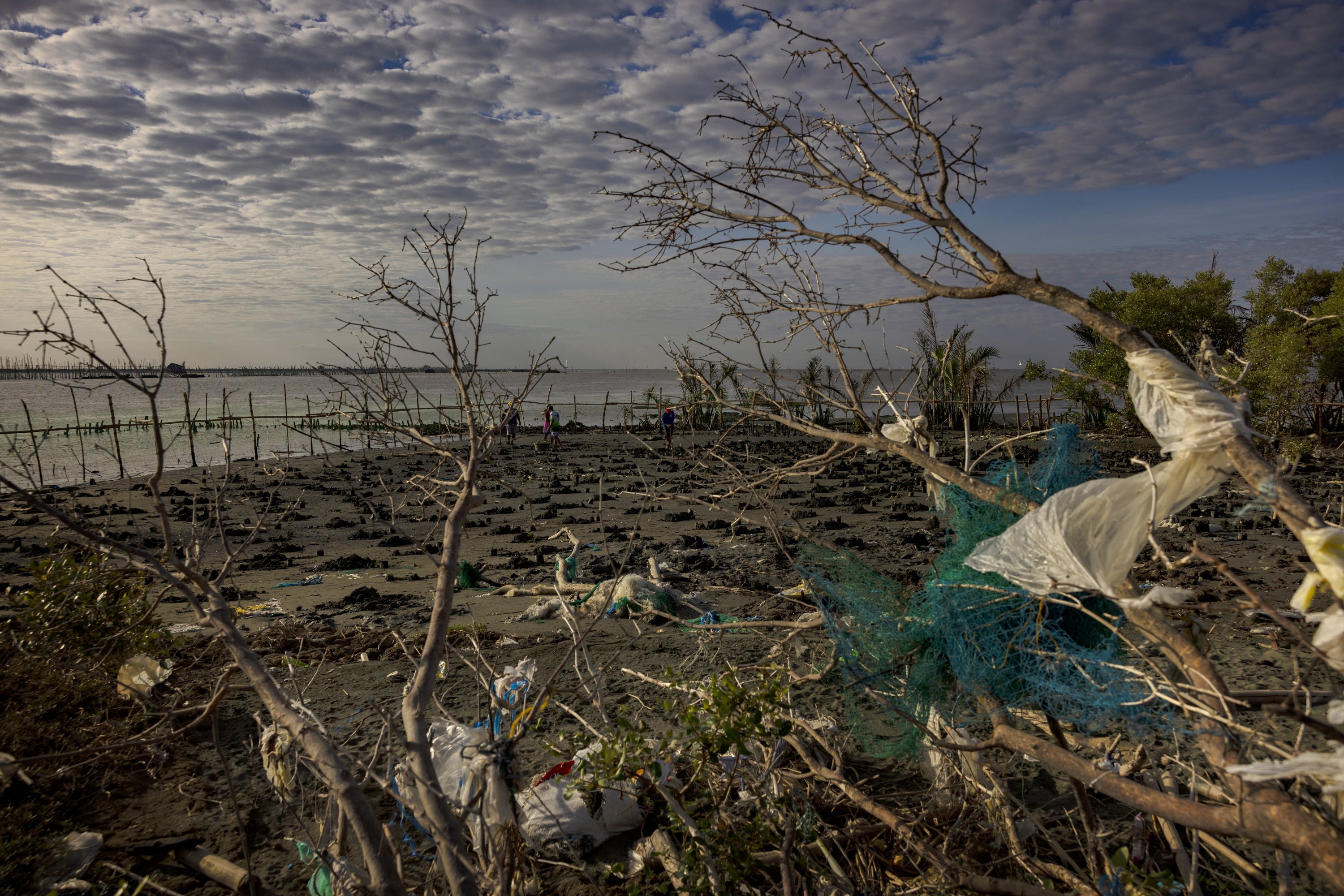
Reliable environmental statistics are essential for crafting effective policies and managing green investments. When official data fails to accurately represent real-world conditions, decision-makers risk implementing flawed strategies that endanger public health and waste financial resources. Organizations like the U.N. and the IMF provide frameworks to ensure statistical quality, yet challenges such as methodological inconsistencies, corporate greenwashing, and fragmented reporting persist. Monitoring Sustainable Development Goals highlights these difficulties, as many environment-related indicators still lack sufficient data for comprehensive analysis. While the availability of environmental information has increased, current trends suggest that global progress remains insufficient to meet 2030 sustainability targets. Addressing these issues requires a multidimensional approach to data collection that accounts for complex ecological interactions rather than relying on isolated variables. Improving the integrity of these reports is vital for meaningful environmental protection and climate change mitigation.
Source : Daily Sabah
Photo : Daily Sabah